




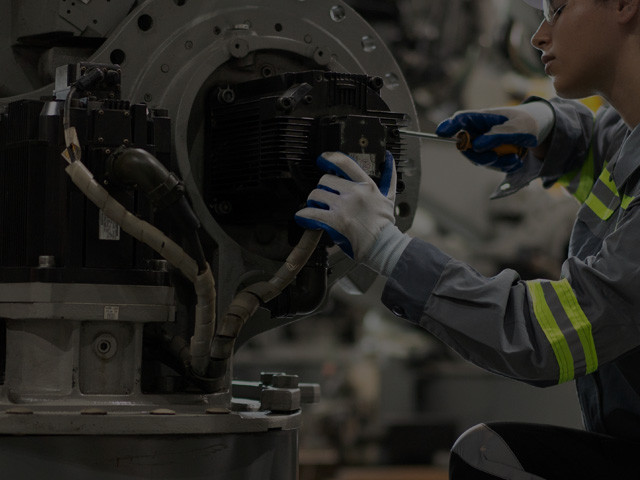
As the winter frost recedes, it leaves behind more than just damp mornings. For industrial facilities, winter is the season of "hidden wear"—salt deposits, moisture-induced oxidation, and thickened lubricants.
As the winter frost recedes, it leaves behind more than just damp mornings. For industrial facilities, winter is the season of "hidden wear"—salt deposits, moisture-induced oxidation, and thickened lubricants. In 2026, maintenance is no longer just about fixing what’s broken; it’s about Responsible Performance. Use this checklist to transition your facility from winter survival to spring efficiency.
Phase 1: The "Winter Wipeout" (External & Structural)
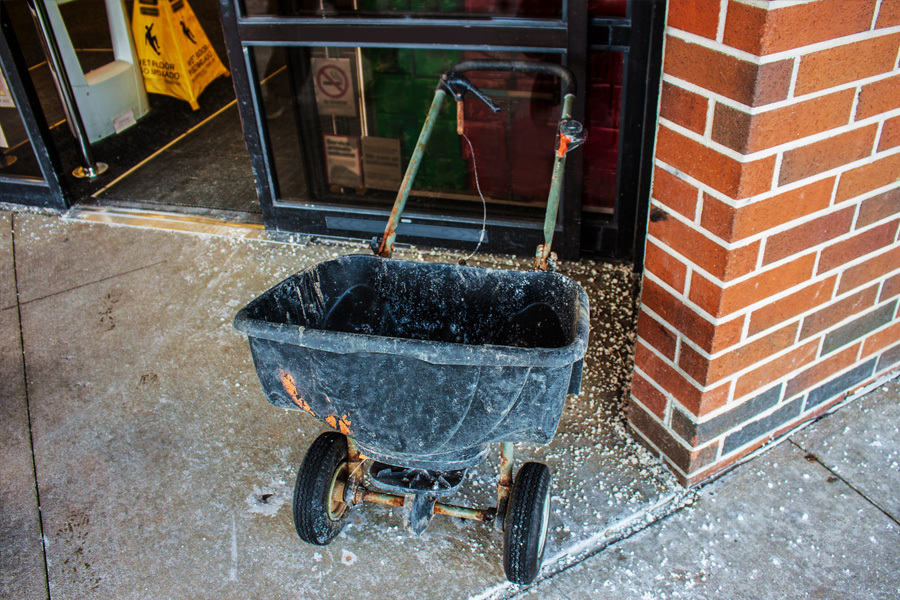
Winter salt and grit are the primary causes of premature component failure.
Inspect External Moving Parts:Check loading dock levellers, outdoor rollers, and gate hinges. Salt air and road grit can seize these over winter.
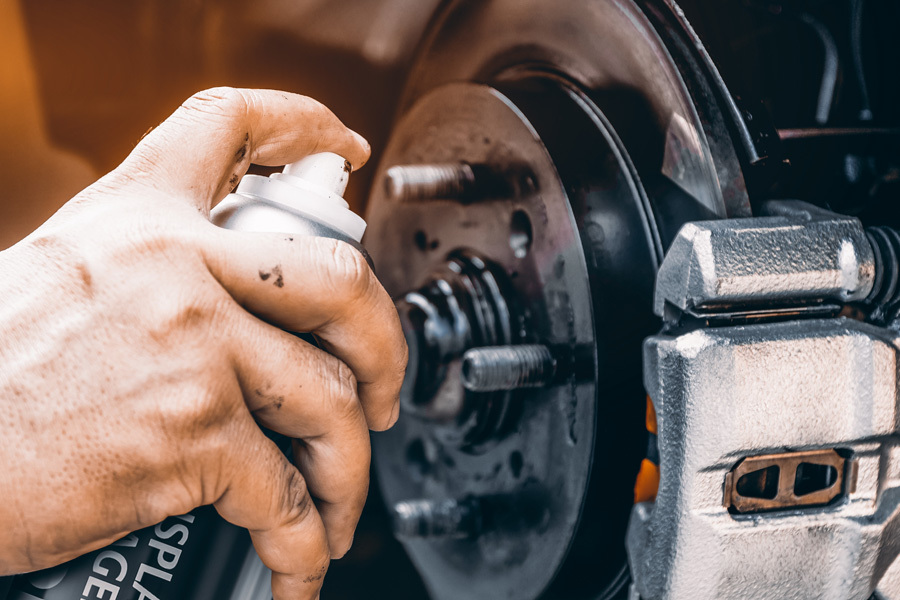
- TYGRIS Solution: Use R207 Industrial Cleaner to strip grime, followed by a Water Displacing Spray to drive out trapped moisture.
Battery & Electrical Health: Cold starts put immense strain on backup power and vehicle batteries.
- TYGRIS Solution: Clean terminals and apply R204 Battery Terminal Protector to prevent "creep" and corrosion during the humid spring months.
Structural Rust Audit: Walk the perimeter. Look for "rust blooms" on fencing, support beams, and metal stairs.
TYGRIS Solution: Apply TYGRIS Galvanising Sprays to any exposed metal to provide long-term cathodic protection.
Phase 2: Precision Cleaning & Degreasing
Warmer temperatures mean dust and pollen will soon be in the air. When these mix with old, thick winter grease, they create an abrasive "lapping paste" that destroys bearings.
The Deep Degrease: Clear out the heavy, contaminated grease from conveyors and gearboxes.
- TYGRIS Solution: Use Industrial Wipes (OneWipe™) for hands and tools, and our Fast Drying Industrial Cleaners for machinery surfaces.
HVAC & Ventilation Prep Before the cooling season begins, ensure fans and vents are free of debris to maintain 2026 "Healthy Building" air quality standards.
Sensor Cleaning: In the age of Smart Factories, a dusty sensor is a failing sensor. Ensure all IoT optical sensors are cleaned with non-residue cleaners.
Phase 3: The Sustainability Transition (ESG Focus)
March is the perfect time to review your facility's environmental footprint as part of your annual ESG reporting.
Audit Your Lubricants: Are you still using petroleum-based products in sensitive areas?
- TYGRIS Solution: Transition high-loss areas (like chains or outdoor rails) to the ONOS Biodegradable Range. It’s the "Future of Responsible Performance" and reduces your environmental liability.
Food-Grade Check: For food and beverage operators, ensure all lubricants in the production zone are up to date.
- TYGRIS Solution: Review your PROTEAN Food Grade shopping list.

Phase 4: Site Safety & Compliance
With the increase in spring production cycles, floor safety and spill readiness are paramount.
Re-Marking High-Traffic Zones: Winter footfall and floor scrubbing often fade safety lines.
- TYGRIS Solution: Use TYGRIS Line Markers to refresh pedestrian walkways and "No-Go" zones.
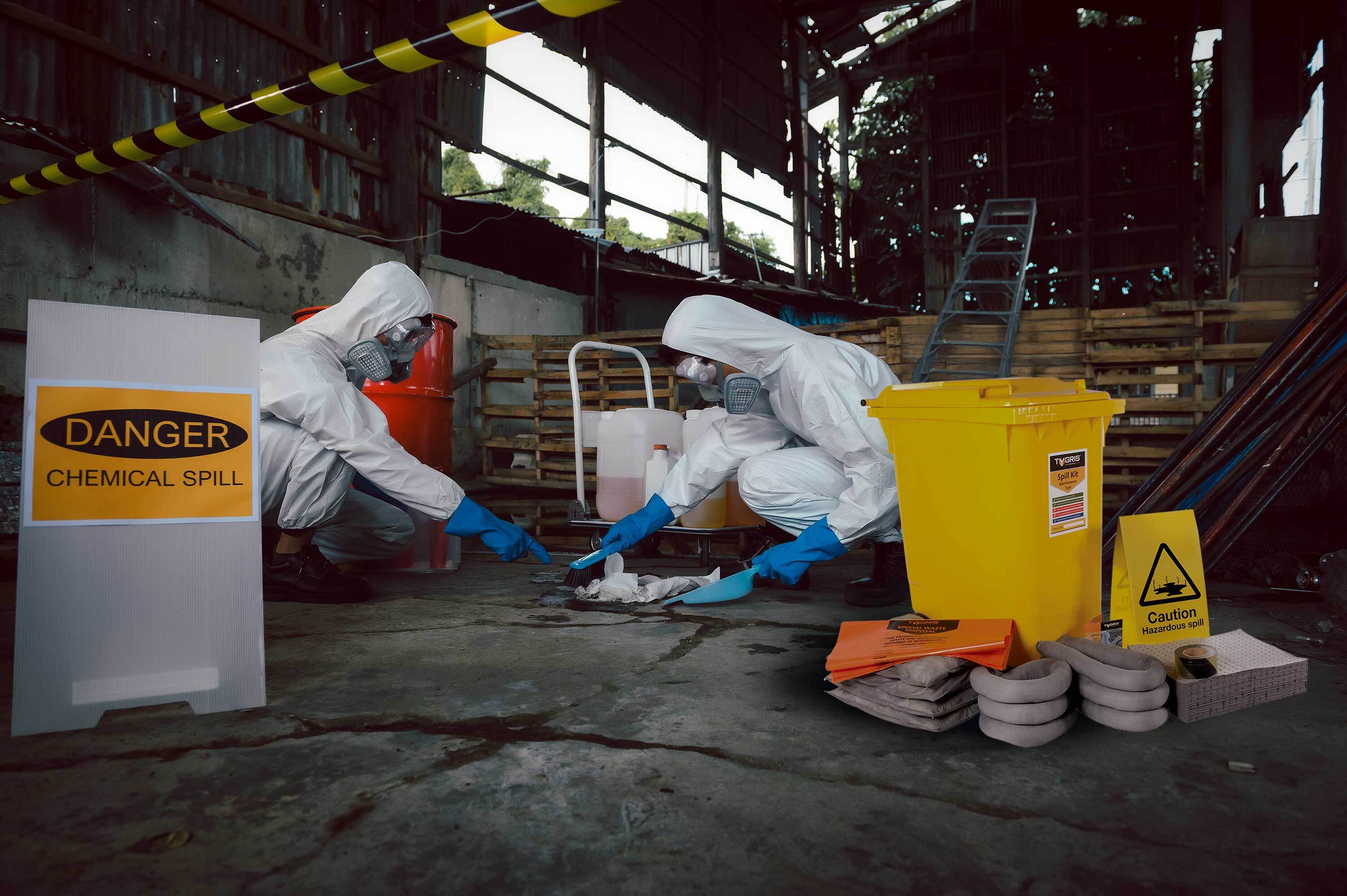
Spill Kit Inventory: Did you use up your absorbents during winter leaks?
- TYGRIS Solution: Restock your Spill Control stations (Pads, Socks, and Granules). A spill in 2026 is a costly hit to your bottom line—prevention is cheaper.
Pro-Tip for March 2026:
Don't guess — audit. The transition from winter to spring is the best time to identify which parts of your machinery are struggling.
Book a FREE TYGRIS Technical Audit today. We’ll walk your site with you and identify exactly where you can save money, reduce waste, and improve performance this season.
