




As temperatures drop, winter can be tough on industrial and power tools. Moisture, cold, and lengthy periods of inactivity are the perfect recipe for rust, seized components, and premature wear.
As temperatures drop, winter can be tough on industrial and power tools.
Moisture, cold, and lengthy periods of inactivity are the perfect recipe for rust, seized components, and premature wear.
To help your equipment survive the seasonal slump and keep your operations running smoothly,
here are our top tips for winter tool maintenance, featuring product solutions from the TYGRIS range.
1. Combatting Corrosion and Rust
Moisture is the number one enemy of metal tools during winter. Even in a covered workshop, condensation and humidity can cause catastrophic rust if left unchecked.
TYGRIS Tip: Before storing any metal tools or machinery components, you must apply a moisture-displacing protective layer.
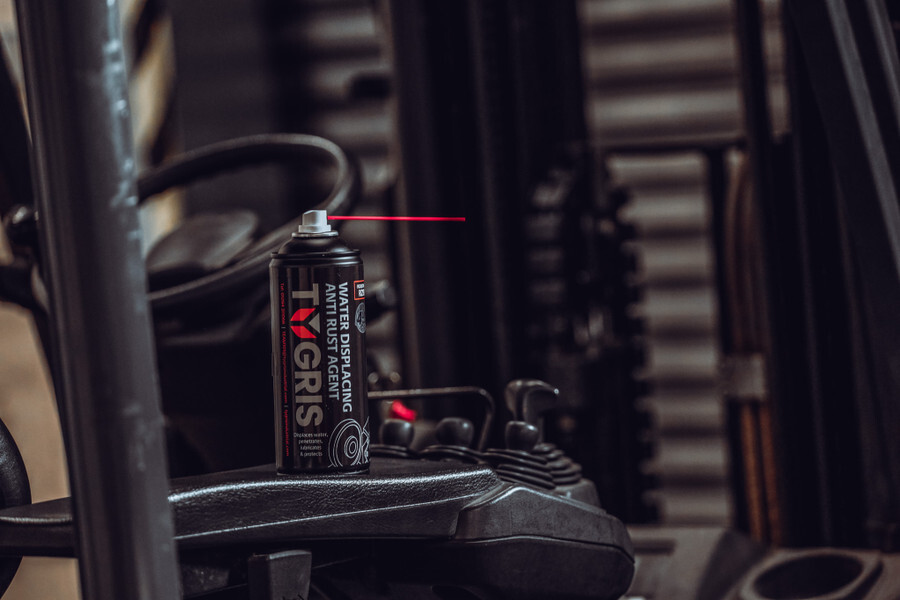
- Displace and Clean: Start by removing all surface moisture with a targeted spray. Our TYGRIS Water Displacing Spray penetrates quickly to drive out water from intricate components and leave a temporary protective film.
- Protect Long-Term: For metalwork that will be stored for months or is exposed to external elements, use a heavy-duty coating. Our TYGRIS Zinc Galvanising Spray provides an exceptional zinc-rich barrier against harsh winter conditions, ensuring metal structures and framework are protected until spring. For non-structural components, our general Corrosion Inhibitors or Anti-Corrosion Sprays are ideal.
2. Lubrication in the Cold
Standard lubricants can thicken considerably in low temperatures, turning into a resistive goo that forces equipment to work harder and risks damaging motors and bearings upon startup.
TYGRIS Tip: Ensure your moving parts are lubricated with products designed to maintain performance across a wide temperature spectrum.
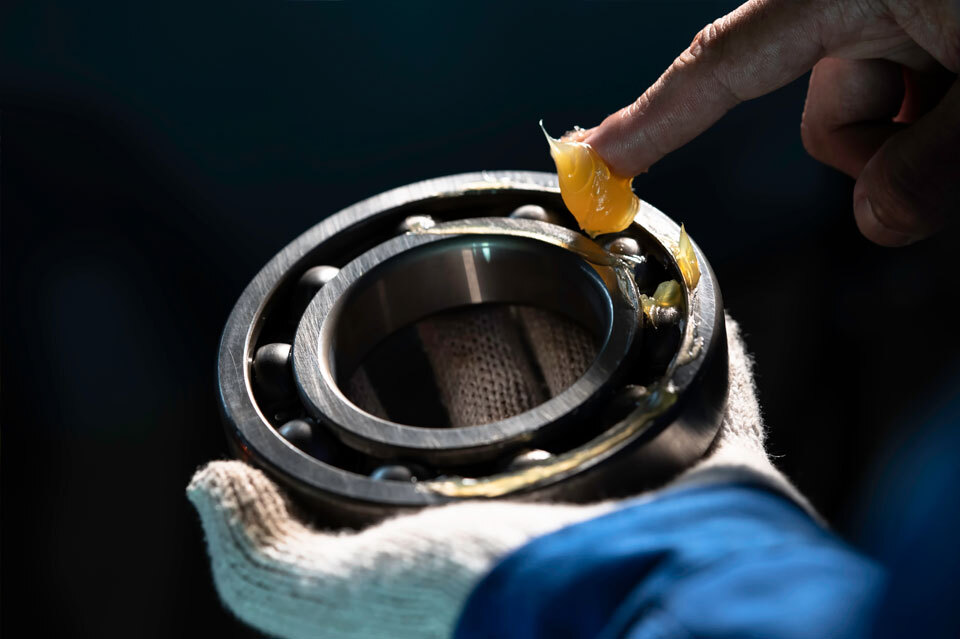
- Choose Wisely: For machinery that might be used intermittently or stored in unheated environments, switch to TYGRIS Extreme Temperature Greases. These are formulated to resist thickening in the cold, ensuring components like bearings, chains, and gear mechanisms stay flexible and move freely from the moment you hit the power switch.
- Freeing Up the Seized: If a component is already stiff or seized due to cold and lack of use, a quality TYGRIS Penetrating Oil is essential to break down rust and free up the parts without causing damage.

3. Pre-Storage Deep Clean
You can't effectively protect a tool if it's covered in grime, oil residue, or sawdust. Dirt and residual contaminants actually hold moisture against the surface, accelerating corrosion.
TYGRIS Tip: A thorough clean is crucial before applying protective layers.
- Heavy-Duty Cleaning: For large equipment and machinery, use our industrial Degreasers to break down heavy grease and oil build-up. Follow up with our convenient TYGRIS Engineer Wipes for quick and easy removal of general surface contaminants.
- Protecting Electronics: Winter dampness is particularly hazardous for power tools and electrical components. Use a specialised TYGRIS Precision Electro Clean Spray to safely clean and remove moisture from switches, circuit boards, and motor housing to prevent short circuits and corrosion.
4. Smart Storage Solutions
It's not just what you use on your tools, but where you keep them.
TYGRIS Tip: Keep tools elevated, dry, and protected.
- Avoid the Floor: Never store sensitive metal tools directly on concrete floors, as cold concrete draws moisture and holds it. Store tools in dedicated cabinets, on shelving, or on pallets.
- Prepare for Spills: Even the best-maintained workshops can have accidents. Make sure your storage area is equipped with TYGRIS Maintenance Spill Kit to manage any leaks that may occur by temperature fluctuations.

By incorporating these simple steps and leveraging the specialised TYGRIS product range, you can ensure your valuable tools and machinery are ready to hit the ground running when the busy season returns.
Winter-Proof Your Workshop: Tips for Keeping Your Tools in Top Form
Posted by TEAM101 on 4th Dec 2025

